Many non-specialised clinics tend to oversimplify the recovery process, painting an immediate “picture-perfect” portrait of life following body contouring. Clinics often overpromise instant, picture-perfect results, leading patients to believe they will immediately achieve a sculpted silhouette and firm, smooth skin.
While these results are the ultimate goal, they do not appear immediately. The reality of body contouring involves a recovery phase in which the body gradually heals and adapts. During this period, patients may experience a range of body contouring side effects that require patience and strict adherence to professional aftercare guidelines.
Why Understanding Body Contouring Side Effects Matters

An experienced surgeon is distinguished by a strong commitment to patient education, ensuring that every stage of the journey—before and after the procedure—is clearly explained. Patients should be fully informed about potential body contouring side effects and the necessary preparation before surgery. This awareness serves two essential purposes:
Managing Expectations
Understanding how the body responds to surgery helps patients develop realistic expectations. This reduces post-operative anxiety and prevents the common concern that results are delayed or that early discomfort is unusual.
Clinical Awareness
A well-informed patient can distinguish between normal body contouring side effects—such as swelling or mild bruising—and warning signs of complications. This awareness is essential, as it ensures that any issue requiring medical attention is identified early, protecting both the patient’s health and the final aesthetic outcome.
Read also about: body contouring dubai price
Book An Appointment
Common Body Contouring Side Effects
Post-operative side effects are intrinsically linked to the specific technique or approach employed during the procedure. Whether your journey involves non-invasive technologies or surgical intervention, understanding the expected physiological responses is key to a smooth recovery.
Non-Surgical and Minimally Invasive Procedures
Procedures that use advanced technologies—such as radiofrequency, ultrasound, or minimally invasive techniques like VASER or laser-assisted contouring—typically involve shorter recovery times. However, patients may still experience temporary side effects, including:
- Redness (erythema) and swelling (oedema) in the treated area. These symptoms typically resolve spontaneously within a few days.
- Localised tenderness or mild discomfort, particularly in areas with significant adipose (fat) deposits or those requiring multiple sessions.
- Temporary numbness or a “tingling” sensation may occur as the nerves in the treated area settle.
- Dryness of the skin or a persistent itching sensation is often reported during the initial healing phase.
- Mild bruising may appear but usually fades rapidly without intervention.
Surgical approaches
More invasive procedures, such as liposuction surgery in dubai, tummy tuck surgery in dubai, or Body lift surgery-in dubai, require a longer and more structured recovery period. Common body contouring side effects include:
- Minor fluid or bloody discharge from the incision sites during the first 24–48 hours.
- Slight swelling and redness around the sutures are part of the body’s natural inflammatory response.
- Minor and temporary scarring at the entry points is expected. These typically mature and fade significantly over time.
- A sensation of “tightness” or muscular aching in the treated regions is common, gradually subsiding as the tissues heal and adapt to their new contours.
Learn more about:
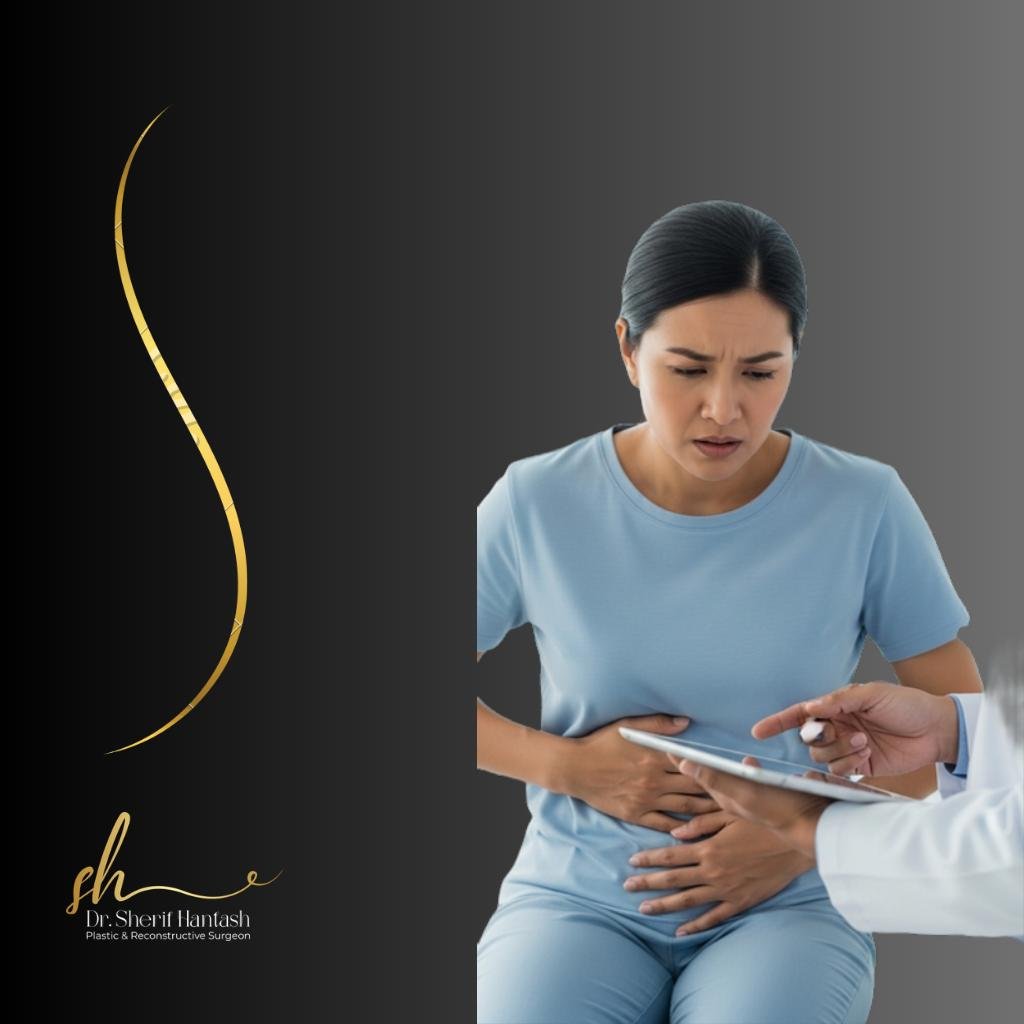
How To Manage Body Contouring Side Effects: Recovery Guidelines
following guidelines support healing and reduce the risk of complications:
- complete the full course of prescribed antibiotics and anti-inflammatories to manage pain and avoid the risk of infection.
- keep all surgical drains and dressings clean and dry. Furthermore, attending all scheduled follow-up appointments allows your consultant to monitor your healing process.
- Avoid any strenuous physical exertion or heavy lifting during the initial weeks.
- Gentle walking is preferable to promote circulation.
- Avoid traditional bathing or soaking the treated areas in the first few weeks following surgery.
- Protect your skin from direct sunlight and hot steam baths.
- Maintain a balanced, nutrient-rich diet and ensure adequate fluid intake to accelerate the recovery timeline.
Read also about: body contouring results
FAQs
Here are the answers of the most common questions about body contouring.
What are the body contouring side effects in the long term?
Some patients may experience persistent issues if the healing process is compromised or the procedure is not expertly executed, such as persistent scarring, fat “clumping,” skin laxity (sagging), “dimpled” texture in the treated regions, and fat redistribution.
What are the risks of body contouring?
Clinical risks are rare but are most frequently associated with a lack of surgical competence or a failure to adhere to recovery protocols. Potential complications include infection and delayed wound healing, post-operative haemorrhage, and poor result which leads to patient dissatisfaction and significant financial loss.
If you have further questions about body contouring side effects, recovery time, or expected results, a professional consultation is essential. With over 15 years of experience in advanced body contouring procedures, Dr. Sherif Hantash provides personalised treatment plans designed to ensure both safety and optimal results.
Book your consultation today to receive a tailored body contouring plan based on your goals, body type, and recovery expectations.