
You’ve tried every diet, added extra cardio, even hired a trainer — yet the fat on your thighs, hips, or arms refuses to shift, even as the rest of your body slims down. If this sounds familiar, you’re not alone, and you’re not imagining it. This pattern has a name: lipedema, a condition where fat builds up disproportionately in specific areas and simply doesn’t respond to diet or exercise the way ordinary fat does. So if willpower isn’t the problem, what is? Understanding the real lipedema causes — from genetics to hormones and beyond — is the key to finally getting answers.
Is Lipedema Really Caused by Weight or Poor Diet?

This is usually the first question patients ask, and it’s one of the most damaging misconceptions surrounding the condition. Obesity does not cause lipedema, although more than half of patients happen to have a BMI above 35. The two can exist side by side, but they behave very differently: ordinary body fat shrinks with calorie reduction and exercise, while lipedema fat does not. A heart-healthy, anti-inflammatory diet can support your overall wellbeing and may help slow progression, but on its own it will not resolve the underlying condition. Understanding this distinction — and looking past diet to the true lipedema causes — is the first step toward ending years of ineffective dieting and unwarranted self-blame.
Read also about lipedema dubai
Book An Appointment
There’s No Single Cause — Just a Combination of Factors
If diet and exercise aren’t to blame, what are the real lipedema causes? Unlike many medical conditions, lipedema doesn’t have one clear, defined cause. Instead, understanding the primary lipedema causes means looking at how several factors combine: a genetic predisposition, hormonal changes, and dysfunction within the body’s blood vessels and lymphatic system. Not everyone with these factors goes on to develop lipedema, and the exact mix differs from person to person. Here’s a closer look at each one, so you can recognise which may apply to your own situation:
- Genetic predisposition
- Hormonal changes, especially estrogen
- Vascular and lymphatic dysfunction
- Chronic low-grade inflammation
Learn about: lipedema fat vs normal fat
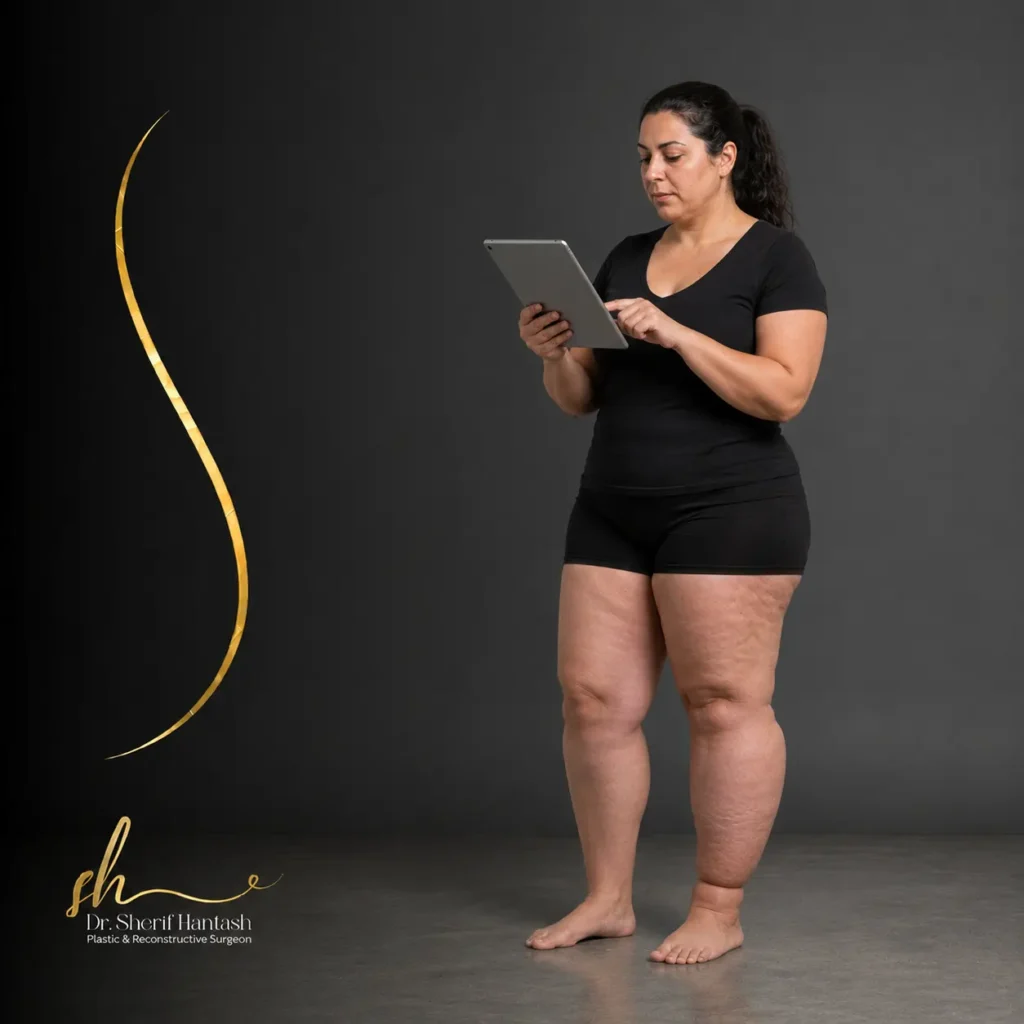
A Genetic Predisposition
A family history is one of the most consistently identified lipedema causes. Research suggests that between 20% and 60% of cases occur within families, pointing to a strong inherited component, even though scientists haven’t yet pinned down the exact genes involved. If your mother, sister, or grandmother has experienced disproportionate, painful swelling in her limbs, this family pattern is worth mentioning to a specialist during diagnosis.
Hormonal Changes, Especially Estrogen
Genetics may load the gun, but hormones often pull the trigger. Lipedema occurs almost exclusively in women, and its onset is closely tied to major hormonal shifts: symptoms typically begin or worsen during puberty, pregnancy, menopause, or while taking hormonal birth control. Researchers estimate hormonal changes are involved in roughly 85% of cases. The female hormone estrogen is thought to play a central role, encouraging fat cells in affected areas to grow larger and multiply. This hormonal connection is considered one of the most significant lipedema causes, explaining why the condition is so rare in men and why symptoms so often flare at specific points in a woman’s life.
Vascular and Lymphatic Dysfunction
Alongside genetics and hormones, physical changes inside the body also play a part. Researchers have identified several changes in how blood and fluid move through affected tissue:
- Fragile blood vessels: small vessels become more delicate, which is why bruising happens easily, often without any injury.
- Fluid build-up: tiny blood vessels can leak fluid into surrounding tissue, adding to the swelling and heaviness patients feel.
- Blocked lymphatic drainage: as fat tissue expands, it presses on the lymphatic system — the network that normally drains excess fluid — making swelling worse over time.
- Ongoing inflammation: low-level inflammation in the tissue is thought to contribute to the persistent pain and tenderness many patients describe.
Because these lipedema causes combine differently for each person — genetic, hormonal, and physical — no two cases look exactly the same. If you recognise yourself in these patterns, the most valuable next step is a proper diagnosis, not another diet.
Learn more about:
Frequently Asked Questions About Lipedema Causes
Is lipedema caused by being overweight?
No. Obesity does not cause lipedema, though the two conditions frequently occur together. Lipedema fat behaves differently from ordinary fat and does not respond to weight loss.
Can men develop lipedema?
It is extremely rare in men and is thought to require a hormonal trigger, such as liver disease or testosterone therapy, alongside a genetic predisposition.
Does lipedema always run in families?
Not always, but a family history is common, appearing in an estimated 20% to 60% of cases.
Can birth control or hormone therapy trigger lipedema?
Hormonal contraceptives and other hormone-related life stages, such as pregnancy and menopause, are frequently associated with the onset or worsening of symptoms.
Is there a way to reverse the underlying lipedema causes?
There is currently no cure that reverses the genetic or hormonal drivers of lipedema. However, early diagnosis and treatments such as compression therapy, lymphatic drainage, and specialised liposuction can significantly manage symptoms and slow progression.
Understanding the lipedema causes behind your symptoms is the first step toward the right diagnosis — and away from another round of self-blame. Consulting a specialist early can make a significant difference to your long-term outcome. To discuss your symptoms and explore a tailored treatment plan, we recommend booking a consultation with Dr Sherif Hantash.
Learn more about: